
Stop Learning in Public. Start Building in Public.
Building in public turns learning into visible evidence: a real problem, a shipped solution, user feedback, better decisions, and an outcome you can explain.
Evidence-led guides on directing AI, exercising judgment, and turning real work into proof.
Building in public turns learning into visible evidence: a real problem, a shipped solution, user feedback, better decisions, and an outcome you can explain.

Vibe coding makes software cheaper to produce, so the modern MVP should test whether a product deserves to exist—not merely whether it can be built.

Vibe coding becomes productive when it starts with a valuable customer outcome, builds the smallest complete workflow, and uses evidence to guide every iteration.

Vibe Learning starts with meaningful work, builds breadth with AI, and develops depth when real problems, risk, and responsibility demand it.

Personal AI representatives could shift online markets from platform-controlled browsing to user-directed outcomes, unbundling discovery from fulfilment while making trust, control, and portability decisive.

AI is reducing some of the task work that once trained junior employees. A small, real one-person company can give graduates another path to judgment, delivery, and proof.

A practical playbook for turning one real need into a focused one-person AI company using a live voice API, user-owned memory, and a seven-day validation loop.

Fiverr, Upwork, and PromptBase show how AI capability becomes commercial value through packaged services, larger projects, and reusable digital products.

A practical framework for deciding when a local AGENTS.md file is enough and when a reusable, controlled Agent Skill is worth the extra structure.
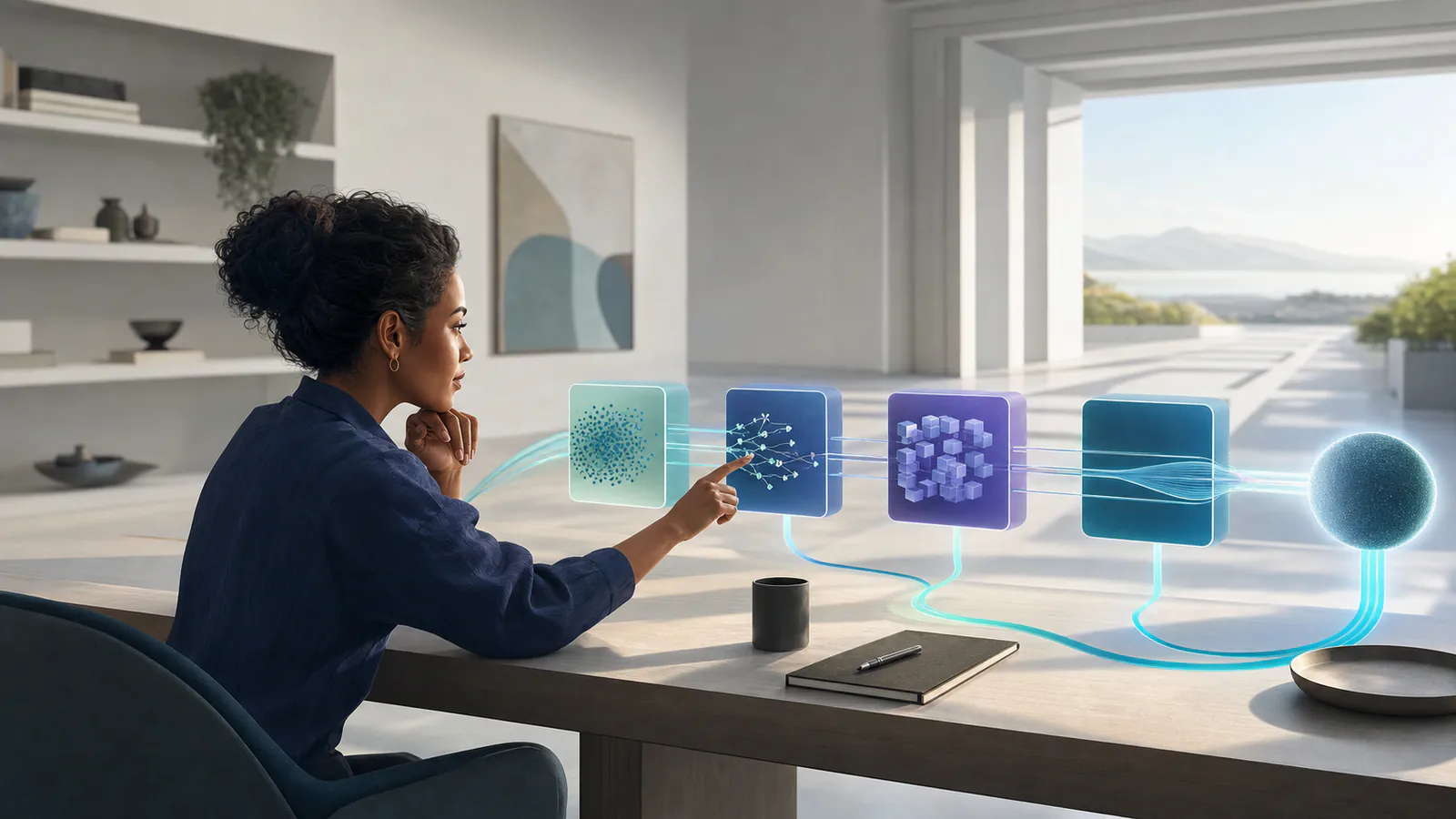
The Ntense method replaces theory-first education with real AI-directed work: Build First, Master Later, verify the result, and remain responsible for the outcome.